Every time we post about a Hemi MDS failure, someone jumps into the comments to say, “It’s not the MDS system.”
But here’s the thing: it is the MDS system.
The confusion comes from the fact that the Hemi MDS system is actually pretty complex. Even if you work with these engines every day, it can take a while to fully understand what is happening inside the engine, how the oil flows, and why the failure happens.
So let’s break it down in a way that actually makes sense.
What Is MDS?
MDS stands for Multi-Displacement System. In simple terms, it allows a Hemi V8 to temporarily run on four cylinders instead of eight under light load conditions.
The goal is fuel economy. When you are cruising or driving gently, the system shuts down four cylinders so the engine uses less fuel. Then, when you need power again, it brings the full V8 back online.
Sounds clever, and technically it is. But the way it works creates a major issue over time.
How Oil Flows Through a Hemi MDS Engine
Inside the engine, oil pressure is constantly being fed through the valvetrain.
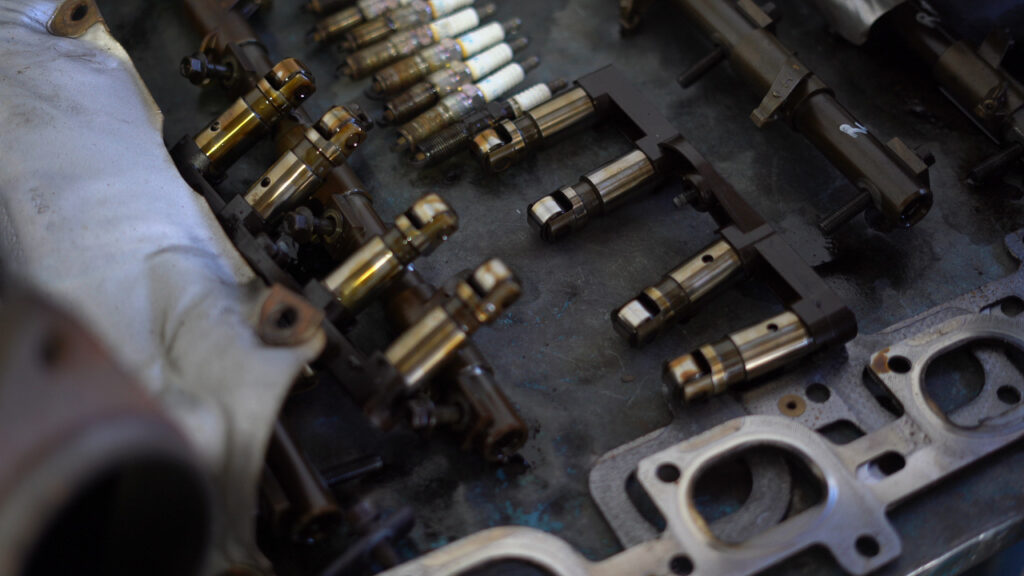
Oil travels through the rocker arm, down through the hollow pushrod, and into the lifter. That oil pressure keeps the lifter pumped up and allows it to operate properly.
That flow is always happening, whether MDS is active or not.
Where things change is when MDS engages.
When MDS turns on, the MDS solenoid opens. This allows oil to flow into a separate gallery around the lifters. In the video, we used a blue line to represent the normal oil pressure path, and a red line to show the extra oil flow when the MDS solenoid opens.
When that gallery is flooded with oil, the oil pressure outside the MDS lifter becomes equal to the pressure inside the lifter. Through the equalising port, the lifter collapses internally. That is how the engine disables that cylinder.
So when MDS is active, the vehicle is effectively running on four cylinders, even though the driver usually does not notice because the system is balanced and controlled.

Does MDS Activate at Idle?
No.
This is one of the biggest misconceptions.
MDS does not activate at idle. It activates under light load, such as gentle cruising or light acceleration.
That matters because the damage is not usually happening when MDS is actively switching the engine into four-cylinder mode. The damage is happening when the vehicle spends long periods idling.
At idle, the MDS solenoid is closed. That means the extra oil gallery is not being flooded. You only have the normal oil feed through the rocker, pushrod, and lifter.
For vehicles that sit idling for long periods, this becomes a major problem.
A good example is the Chrysler 300C used by highway patrol. These cars would often sit idling for long periods, then take off hard, then sit idling again while the officer dealt with a driver. That kind of use is brutal on this system.
Why You Cannot Just Turn MDS Off in the Tune
A lot of people think the fix is simple: just turn MDS off in the software.
Unfortunately, that is not a proper fix.
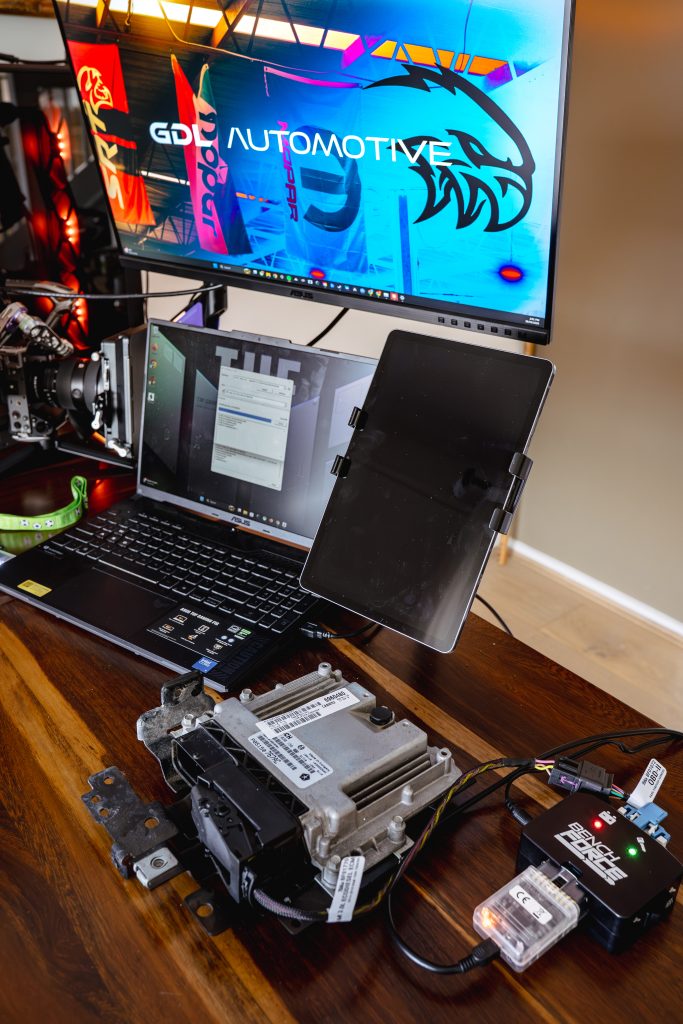
If you turn MDS off electronically without making mechanical changes, you are keeping the MDS solenoid closed all the time. That means the lifter gallery never gets that extra oil flow.
You are only relying on the standard oil path through the pushrod.
That is why simply turning MDS off in the tune can lead to serious camshaft damage very quickly. In some cases, you can chew out a camshaft in under 500km.
What Is a Proper MDS Delete?
A proper MDS delete is not just software.
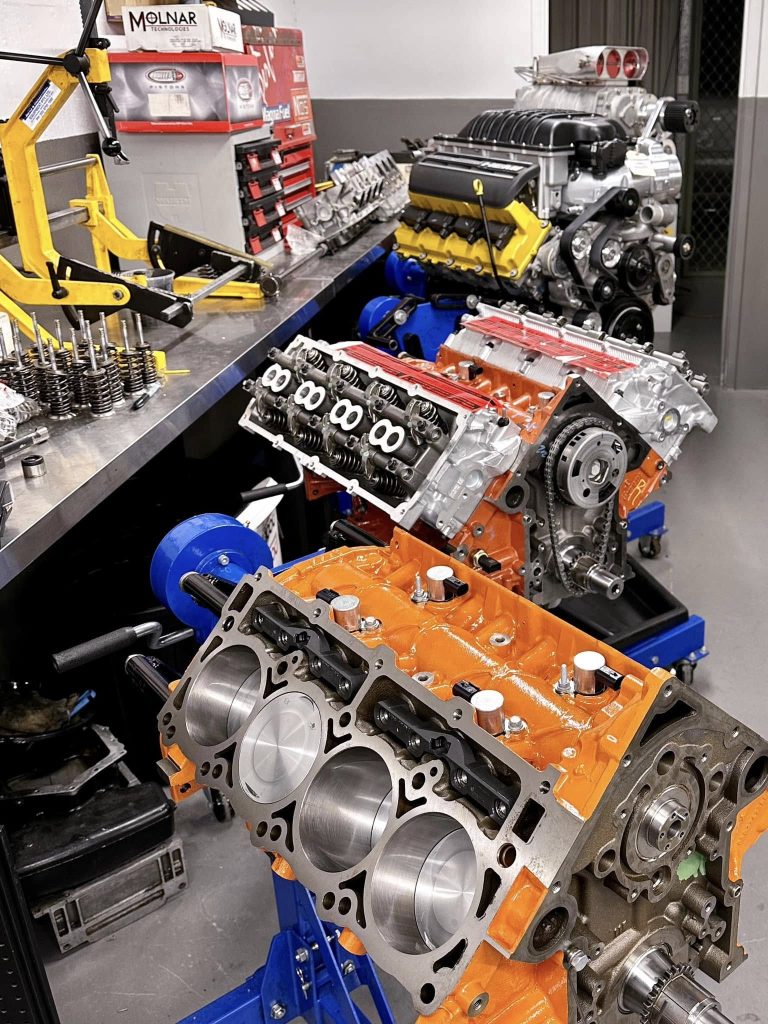
To do it properly, the MDS lifters need to be removed and replaced with non-MDS lifters. You also need the correct camshaft to suit the setup.
If you remove the MDS solenoids or change the oil flow but leave the MDS lifters in place, the lifters can collapse and the engine can end up permanently running on four cylinders.
That is why the mechanical side of the job matters.
A proper MDS delete involves removing the system properly, replacing the lifters, and fitting the correct camshaft so the engine continues to operate as a proper V8.
Will an Upgraded Oil Pump Fix It?
An upgraded oil pump can help, but it does not solve the root cause.
More oil flow and more pressure can be beneficial, but if the MDS solenoid is closed at idle, the extra oil still is not being sent through the gallery where it is needed.
So yes, an upgraded oil pump may help support the engine, but it will not stop the problem on its own.
The real issue is how the MDS system controls oil flow around the lifters.
The Bottom Line
The Hemi MDS issue is misunderstood because the damage often happens when MDS is not actively engaged.
That makes people think MDS is not the problem.
But the design of the MDS system, the way it controls oil flow, and the way the lifters rely on that oil flow are exactly why these engines suffer camshaft and lifter failures.
So when we say it is an MDS problem, this is what we mean.
It is not just about when the system turns on. It is about what happens when it is off, especially during long periods of idle.
That is why we recommend a proper mechanical MDS delete for reliability, not just switching it off in the tune.